Learning you—or someone you love—has breast cancer can be incredibly overwhelming. Suddenly, you’re faced with unfamiliar medical terms, endless questions, and tough decisions. But knowing your treatment options can help ease some of that uncertainty. In this friendly, easy-to-understand guide, we’ll break down the different ways breast cancer is treated and how doctors decide what’s best for each person.
Understanding Breast Cancer Treatment: Where Do You Start?
First things first—every breast cancer case is unique. Treatments vary based on several factors like the type of cancer, its stage, hormone receptor status, and your overall health. It might feel like a lot, but think of it like this: each treatment is a tool in a toolbox. The right combination helps give you the best possible outcome.
So, what Usually Happens First?
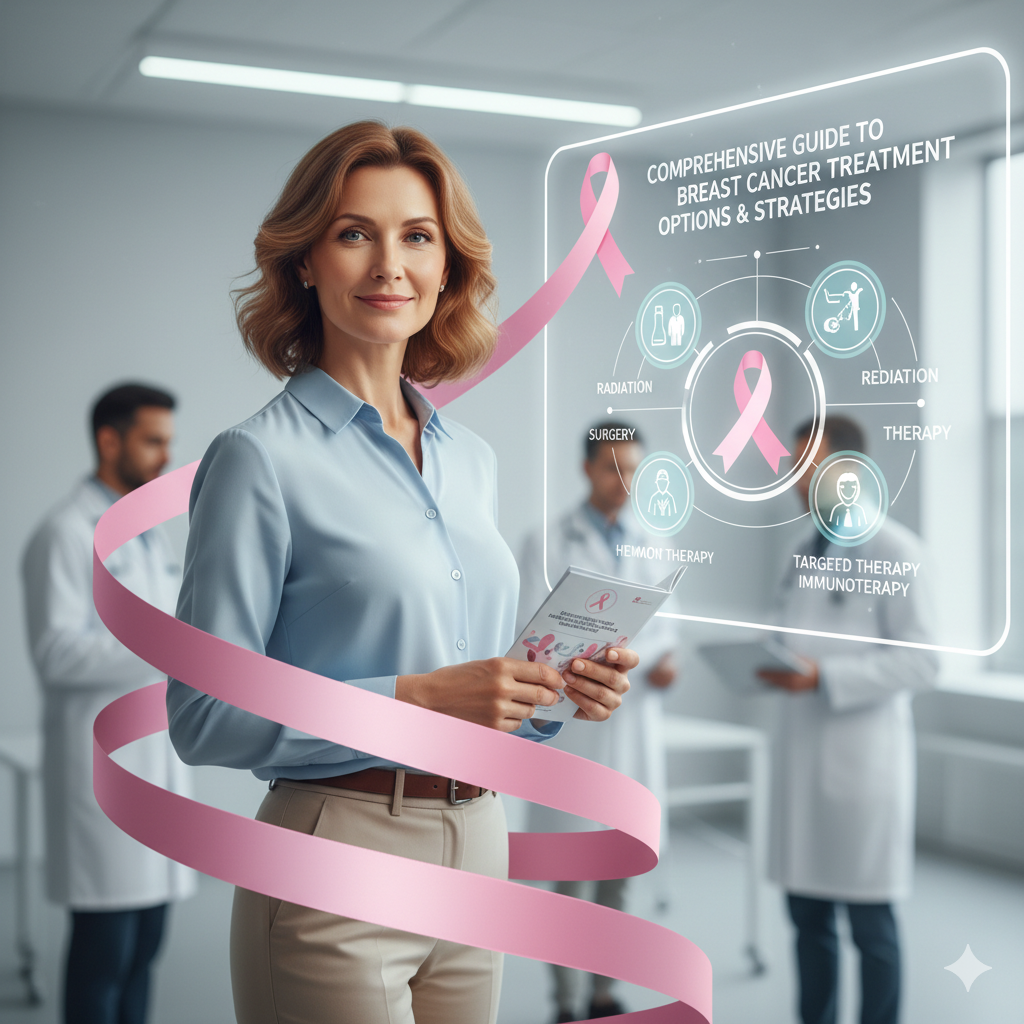
Before treatment starts, doctors run tests to better understand the cancer. These usually include imaging tests like mammograms or MRIs, and a biopsy to check the cancer’s features. Based on these results, your healthcare team puts together a personalized treatment plan. This may include one or more of the following:
- Surgery
- Radiation therapy
- Chemotherapy
- Herbal Chemotherapy
- Hormone therapy
- Targeted therapy
- Immunotherapy
Surgical Options for Breast Cancer
For many people, surgery plays a big role in treatment. There are two main types:
- Lumpectomy: The doctor removes only the tumor and a small area of nearby tissue. It’s also known as breast-conserving surgery.
- Mastectomy: This involves removing the entire breast. In some cases, both breasts may be removed (a double mastectomy).
Lymph nodes under the arm may also be removed to check if cancer has spread. Your surgeon will talk through your options, taking into account the size and location of the tumor, as well as your personal preferences.
Radiation Therapy: When and Why It’s Used
Radiation therapy uses high-energy rays—think of them like strong, focused beams of light—to kill cancer cells. It’s often used after a lumpectomy to reduce the risk of cancer coming back in the same area.
Some people may also receive radiation after a mastectomy, especially if the cancer was large or had spread to lymph nodes. It’s not painful during treatment, although some experience skin irritation or fatigue afterward.
Chemotherapy: A Powerful Systemic Treatment
You’ve probably heard about chemotherapy, or “chemo,” before. These drugs travel through the bloodstream to kill cancer cells throughout the body. It can be given before surgery (to shrink a tumor), after surgery (to kill any leftover cancer cells), or by itself if surgery isn’t an option.
Chemotherapy is usually given in cycles, with rest periods in between. While it’s highly effective, it can come with side effects like nausea, fatigue, hair loss, or a reduced immune system. Many of these side effects are temporary and can be managed with proper care and support.
Herbal Chemotherapy: A Powerful synergistic Treatment
Herbal Chemotherapy (HCT), an emerging and distinctive approach in cancer therapy, designed to harness the power of naturally derived herbal compounds to fight cancer with minimal side effects compared to traditional chemotherapy.
Unlike conventional treatments that may attack both healthy and cancerous cells, herbal chemotherapy often targets oncogenes and stimulates the body’s own immune defenses, energizing vital organs to enhance the fight against disease.
A variety of clinical and preclinical studies show that certain herbal agents not only help mitigate the toxic side effects of standard chemotherapy but can also work synergistically to improve overall treatment outcomes and quality of life for patients.
Hormone Therapy: Targeting Hormone-Sensitive Cancers
Some breast cancers need hormones like estrogen or progesterone to grow. If tests show your cancer is “hormone-receptor positive,” hormone therapy can block those hormones and slow cancer growth.
This treatment might include pills like tamoxifen or medications that lower hormone levels in the body. It’s usually taken for five to 10 years and is especially useful for preventing cancer from coming back.
Targeted Therapy: Precision Medicine in Action
Imagine giving medicine that’s designed like a guided missile, going straight after the cancer cells without damaging your healthy ones. That’s what targeted therapy aims to do. These drugs target specific proteins or genes involved in cancer growth.
A common example is HER2-positive breast cancer, which has higher levels of a protein called HER2. Drugs like trastuzumab (Herceptin) are specifically designed to attack these cancer cells.
Immunotherapy: Boosting Your Body’s Defense System
This newer form of treatment helps your immune system recognize and attack cancer cells. Immunotherapy is mostly used for triple-negative breast cancer (a type that doesn’t respond to hormone or HER2-targeted therapies). It’s often combined with chemotherapy for better results.
Choosing Your Treatment: Questions to Ask Your Doctor
Making treatment decisions can be tough, but you don’t have to go it alone. Here are some helpful questions to bring up with your healthcare team:
- What’s the stage and type of my breast cancer?
- What are all my treatment options?
- What are the potential side effects of each option?
- What treatment do you recommend, and why?
- How will this affect my daily life?
Think of your doctor as your guide, helping you navigate this path with clarity and compassion.
Living Life During and After Treatment
Breast cancer treatment doesn’t just affect your body—it touches every part of your life. That’s why emotional support is just as important as medical care. Whether it’s connecting with a therapist, joining a support group, or simply talking to friends and family, surrounding yourself with love and encouragement makes a world of difference.
And once treatment ends? It’s not the end of the story. Follow-up care, including regular check-ups and mammograms, helps catch any changes early. Many survivors go on to lead full, healthy, and happy lives.
Final Thoughts: You’re Not Alone in This Journey
There’s no “one-size-fits-all” approach to breast cancer treatment. But knowing your options empowers you to make informed decisions that align with your needs and values. From surgery to immunotherapy, each strategy plays a unique role in fighting breast cancer.
Remember, you’re not alone in this. Countless people have walked this path before you—and they’ve walked it with courage, hope, and strength. You’ve got an entire team on your side—medical professionals, loved ones, and a global community cheering you on.
If you or someone close to you is facing breast cancer, take it one step at a time. Stay curious. Ask questions. And know that every day is a step toward healing.
Stay strong, stay informed, and above all—stay hopeful.
For more breast cancer information and resources, visit cancer medical tourism website or speak with our specialists, experts and helathcare providers.